

Organising wedding guest transportation across London is one of those wedding planning tasks that sounds straightforward on paper, but quickly becomes far more complex once you start accounting for traffic, multiple venues, elderly relatives, and the sheer unpredictability of moving groups of people across a busy city.
Unlike flowers or photography, transport often gets relegated to the bottom of the to-do list. Yet it’s one of the few elements that can genuinely affect your guests’ experience on the day itself. A well-coordinated transport plan means your guests arrive relaxed, on time, and ready to celebrate. A poorly thought-out one can leave people stranded, stressed, or arriving long after the champagne toast.
This guide is designed to help you think through the logistics, timing, and guest experience elements of wedding guest transportation in London, covering the practical details that standard service pages tend to gloss over.
Why Wedding Guest Transport Matters More Than You Think
When you’re deep in the throes of wedding planning, it’s easy to assume that your guests can simply make their own way between venues. After all, London has excellent public transport, doesn’t it?
In theory, yes. In practice, moving a group of dressed-up wedding guests, some elderly, some unfamiliar with the city, many wearing impractical shoes, across London between a 2pm ceremony and a 6pm reception is a recipe for stress.
Providing coordinated transport does several things:
- Keeps everyone together. You won’t have half your guests arriving at 6pm and the other half trickling in at 7:30pm because they got lost changing Tube lines.
- Reduces stress for guests. Your aunt from Cornwall doesn’t need to navigate the Northern Line in a fascinator.
- Protects your timeline. If you’re planning speeches at 7pm, you need to know everyone will actually be there.
- Improves the experience. Guests can relax, chat, and enjoy the journey rather than worrying about directions or splitting taxi fares.
Done well, transport becomes invisible. Done badly, it becomes the thing people remember.
Understanding London’s Transport Challenges for Wedding Logistics
London isn’t a straightforward city to move around, especially when you’re working to a tight schedule.
Traffic Unpredictability
GPS estimates are optimistic at best. A journey that Google Maps suggests will take 25 minutes can easily stretch to 50 during rush hour, or if there’s a protest in Westminster, or if roadworks have closed a major junction. These delays aren’t exceptional, they’re routine.
Restricted Access and Parking Limitations
Many London wedding venues, particularly historic churches, riverside locations, and townhouse settings, are located on narrow streets, in low-emission zones, or within areas where large vehicles simply can’t idle. Your driver may need to drop guests 100 metres from the entrance and circle the block, or park in a designated bay some distance away.
Event Disruptions
London hosts constant events: marathons, state visits, football matches, rail strikes, planned Tube closures. Any of these can significantly affect your transport plan. A Saturday in spring or summer is particularly vulnerable.
The Boarding and Alighting Problem
One aspect that rarely gets discussed: it takes time for a group of 20–30 guests to actually board a vehicle. People chat, someone needs the loo, a guest can’t find their handbag. Even with everyone ready and waiting, expect a minimum of 10 minutes for boarding and another 10 for disembarking.
This isn’t a criticism, it’s human nature. But it’s time that needs to be factored into your schedule.
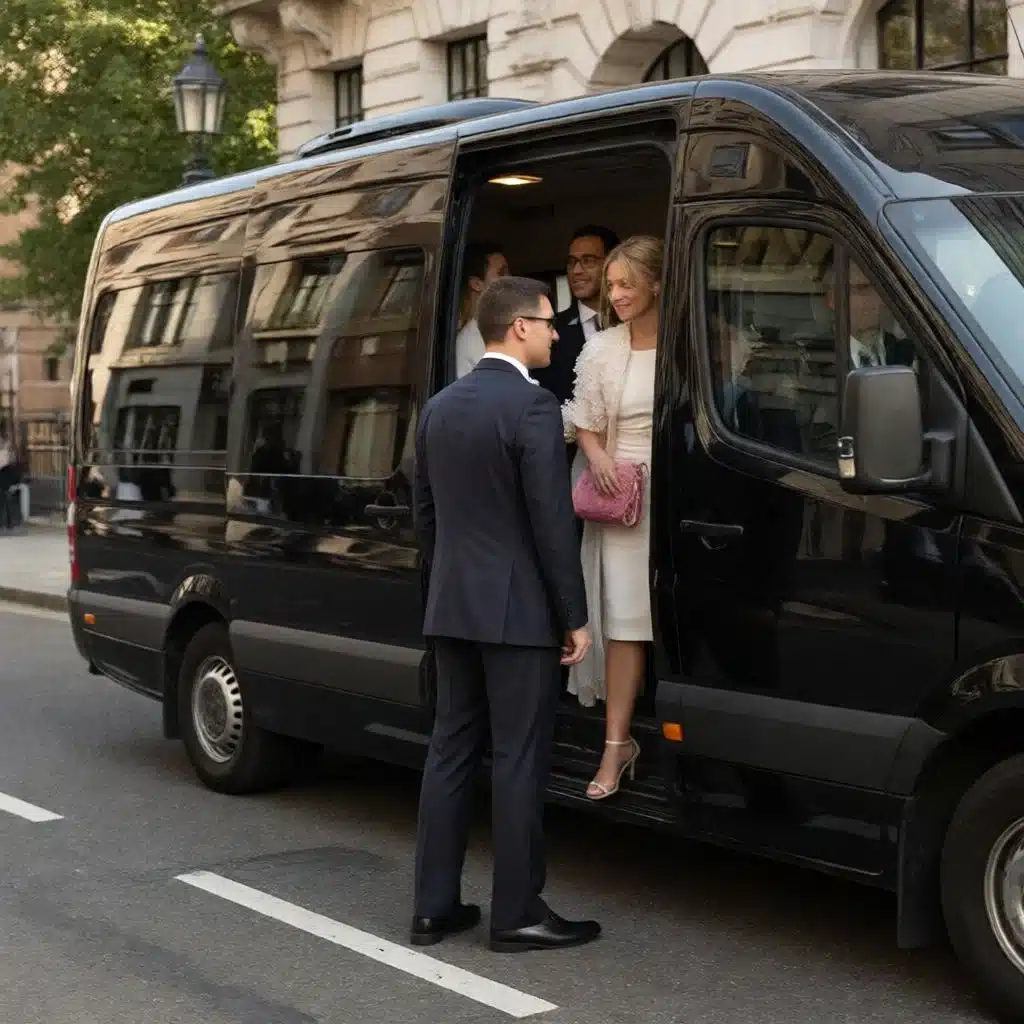
Planning Your Wedding Guest Transportation Timeline
The single biggest mistake couples make is underestimating how long things actually take.
The 30-Minute Buffer Rule
Whatever time Google Maps tells you a journey will take, add at least 20–30 minutes. This accounts for:
- London traffic (lights, congestion, unexpected roadworks)
- Boarding and alighting time
- A small cushion for the unpredictable
If your ceremony ends at 3pm and the reception venue is a 30-minute drive away, your guests shouldn’t be expected at the reception before 4:15pm at the earliest, and that’s assuming everything runs smoothly.
Pre-Departure Timing
Schedule your transport to arrive at the ceremony venue at least 15 minutes before you want guests to leave. This gives people time to use facilities, say goodbyes, and gather without feeling rushed.
If you tell guests “coaches will leave at 4pm,” make sure the vehicles are there at 3:45pm. Nothing creates stress faster than a crowd of people standing on a pavement wondering where their transport is.
Managing the Ceremony-to-Reception Gap
Consider the timing of the gap between your ceremony and reception. If there’s a two-hour window, think carefully about whether you want guests to arrive at the reception venue immediately (and potentially mill about with nothing to do) or whether you’d prefer a slightly later departure so they arrive just as canapés and drinks are being served.
Some couples opt for transport to drop guests at a nearby pub or suggested location for the interim period, with a second pick-up later. This works well if the gap is significant, but adds complexity to your coordination.
Calculating How Many Vehicles You Need
This sounds simple, but it’s surprisingly easy to get wrong.
Standard Minibus Capacity
Most wedding minibuses seat between 16 and 24 passengers comfortably. Coaches can accommodate 48–72, depending on the vehicle.
The key word is “comfortably.” A 16-seater minibus technically holds 16 people, but if several of your guests are wearing large dresses, carrying gifts, or are simply of a larger build, you may want to account for fewer people per vehicle to avoid discomfort.
Over-Capacity vs. Empty Seats
Underbooking (cramming people in) is miserable for guests. Overbooking (paying for a half-empty coach) feels wasteful. Aim to fill vehicles to about 85–90% of stated capacity as a sweet spot.
When Multiple Smaller Vehicles Make More Sense
If your guests are spread across several hotels or pick-up points in different areas of London, two or three smaller minibuses often work better than one large coach.
Why? Flexibility. Smaller vehicles can navigate narrow residential streets, stop at multiple locations without too much added journey time, and drop guests closer to venue entrances. They’re also less conspicuous if you’re collecting from an upmarket hotel where a 72-seater coach might cause logistical headaches.
Coordinating Multiple Pick-Up Points Across London
Collecting guests from four different hotels scattered across Zones 1 and 2 is entirely doable, but it requires thought.
Centralising Where Possible
If you have guests staying at three or four hotels within a square mile of each other (say, around Victoria or King’s Cross), designate one central pick-up point rather than stopping at each individual hotel. Choose a recognisable landmark, a Tube station entrance, a well-known hotel, a major square, and communicate this clearly.
This reduces journey time, simplifies coordination, and avoids the vehicle getting stuck in narrow side streets.
Route Optimisation
Plan pick-up points in a logical geographic order. Don’t zigzag across the city. If you’re picking up from Kensington, then Shoreditch, then back to Westminster, you’re adding significant time and frustration.
Map out the route in advance and share it with your driver. Most professional drivers will know London well, but they won’t know your guest distribution or priorities.
Communication is Everything
Guests need to know:
- Exact pick-up location (not just “the Hilton” but “the main entrance on Park Lane, opposite Hyde Park”)
- Precise time (and whether this is boarding time or departure time)
- What the vehicle looks like (colour, company name, or a designated sign)
- A contact number for someone coordinating transport on the day
Consider using What3Words or a dropped pin for locations that are difficult to describe. London’s street layouts can be confusing, especially around large stations or sprawling hotel complexes.
Staggered Timings
If you have multiple vehicles, consider staggering departure times by 10–15 minutes rather than having everything happen simultaneously. This avoids chaos and allows your transport coordinator to manage any issues without everything unravelling.
Managing Waiting Time and Dead Periods
Transport coordination isn’t just about moving guests from A to B, it’s about managing the time in between.
If Guests Arrive Too Early
Reception venues often aren’t ready to receive guests immediately. Staff may still be setting tables, the bar might not be open, or your photographer may want the space clear for detail shots.
Arriving 45 minutes early and having guests standing around awkwardly isn’t a great experience. Time your transport so guests arrive 10–15 minutes before you want the reception to properly begin.
Driver Downtime
If there’s a gap between dropping guests at the ceremony venue and returning to collect them later, or between the ceremony-to-reception run and an evening pick-up, your driver will need somewhere to park.
Central London doesn’t offer many options for large vehicles to sit idly. Confirm with your driver in advance where they plan to wait, and whether this might affect their ability to return promptly when needed.
Guest Experience: Comfort, Accessibility, and Small Details That Matter
Wedding guest transportation isn’t just logistics, it’s part of your guests’ experience of the day.
Accessibility for Elderly Guests and Those with Mobility Needs
If you have elderly relatives or guests with mobility challenges, vehicle choice matters. Coaches with high steps can be difficult. Minibuses with narrow doors or tight seating can be uncomfortable.
Speak to your transport provider about step heights, handrails, and wheelchair accessibility if needed. Equally important: ensure drop-off points are as close to venue entrances as possible. A 200-metre walk across cobblestones in heels is manageable for some, but not for everyone.
Climate Control
British weather is unpredictable. A vehicle with functioning air conditioning (or heating in winter) is essential, especially if guests are dressed in formal wear. This sounds obvious, but it’s worth confirming in advance, particularly if you’re booking vehicles months ahead.
Onboard Atmosphere
Some couples provide bottled water or light refreshments on board, particularly for longer journeys or warm days. This isn’t necessary, but it’s a thoughtful touch.
Music is a personal choice. Some couples ask drivers to play subtle background music; others prefer guests to chat freely. If you have strong preferences, communicate them.
The Importance of a Transport Lead
Appoint someone, a bridesmaid, groomsman, or trusted friend, as the transport lead for each vehicle. This person’s job is to:
- Do a headcount before departure
- Communicate with the driver
- Ensure no one is left behind
- Handle any small issues that arise
This shouldn’t be a stressful role, but having one person designated prevents confusion and means the driver has a clear point of contact.
Common Wedding Transport Mistakes and How to Avoid Them
Even well-organised couples can fall into predictable traps.
Underestimating Door-to-Door Time
The journey time isn’t just driving time. It’s:
- Walking from ceremony venue to where the vehicle can legally park
- Boarding time
- Driving time
- Alighting time
- Walking from where the vehicle drops off to the reception entrance
For a central London journey, this can easily add 30 minutes to the “pure” travel time.
Failing to Check the London Events Calendar
Your wedding date might coincide with the London Marathon, a major football match, a state visit, or planned Tube strikes. All of these can significantly affect transport.
Check the London events calendar as soon as you have a date, and again a few weeks before the wedding. If something major is happening, adjust your timing or route accordingly.
Poor Communication with Guests
Assuming guests will “just know” where to be and when is optimistic. Send clear, written instructions at least a week before the wedding, and include:
- Pick-up times and locations
- What to do if they’re running late
- A contact number for the day
- A reminder to bring any essentials they might need
Not Sharing the Plan with Your Venues
Both your ceremony and reception venues should know when guests are expected to arrive and when transport will be collecting or dropping off. This helps them manage their own schedules and ensures you’re not turning up when they’re mid-setup.
Over-Complicating the Schedule
More isn’t always better. If you’re considering multiple vehicles, multiple pick-ups, and multiple drop-offs at different times, step back and ask whether you’re making things more complex than they need to be.
Sometimes a simpler plan, even if it’s slightly less “perfect”, is far more reliable.
The Wedding Minibus Hire Decision: What to Consider
When thinking about wedding minibus hire for your London wedding, there are several practical considerations beyond simply booking a vehicle.
Vehicle Type and Guest Numbers
Match the vehicle size to your guest list, with a little breathing room. If you have 40 guests and they’re all travelling together, a 48-seater coach makes sense. If you have 18 guests, a minibus is more appropriate and will navigate London’s streets more easily.
Driver Experience
London requires local knowledge. A driver familiar with low-emission zones, parking restrictions, and alternative routes during disruption is worth their weight in gold.
Vehicle Condition and Presentation
Your guests will notice if the vehicle is shabby, unclean, or poorly maintained. This is part of your wedding day, and presentation matters.
Backup Plans
Ask what happens if a vehicle breaks down or the driver is delayed. Reputable providers will have contingency plans, but it’s worth clarifying.
Timing, Coordination, and the Day Itself
All the planning in the world can’t account for every variable, but you can set yourself up for success.
Build in Flexibility
If possible, avoid rigidly scheduling activities immediately after guest arrival. If you’ve planned for speeches at 7pm sharp, and half your guests are caught in unexpected traffic, you’ll create stress for yourself and everyone else.
Buffer time isn’t wasted time, it’s insurance.
Communicate with Your Coordinator or Venue Manager
If you’re working with a wedding coordinator or venue manager, make sure they have a copy of your transport schedule. They can help troubleshoot on the day if something goes awry.
Trust Your Transport Lead
Once you’ve briefed your designated transport leads, let them handle it. You’ll have enough to think about on the day without micromanaging vehicle logistics.
Final Thoughts: The Invisible Success
The best wedding guest transportation is the kind your guests don’t really notice, because it simply works.
They arrive on time, relaxed, and ready to celebrate. They’re not worried about navigating an unfamiliar city, splitting taxi costs, or getting lost. And you’re not anxious about half your guests missing the first dance.
Planning transport across London requires more thought than many couples initially anticipate. But it’s absolutely manageable with a clear timeline, realistic expectations, and attention to the details that genuinely affect guest experience.
Think of it as conducting an orchestra: when everyone knows when to arrive and where to be, the transitions between movements are seamless. That’s the goal.
Your wedding day will be full of memorable moments. Transport shouldn’t be one of them, unless it’s because everything went so smoothly that your guests arrived calm, happy, and ready to enjoy every moment with you.
