

There’s a sweet spot in group travel where you’ve got too many people for a couple of cars but not quite enough for a full-sized coach. That’s where a 12 seater van comes in, and if you’ve never hired one before, you probably have questions. How much does it actually cost? Do you need a special licence? Is it going to handle like a bus or can normal people drive it?
We’ve been hiring out 12 seater vans across London and the wider UK for years now, and we’ve learned what people actually need to know versus what hire companies think they need to know. Let’s cut through the nonsense and talk practicalities.
What Exactly Is a 12 Seater Van?
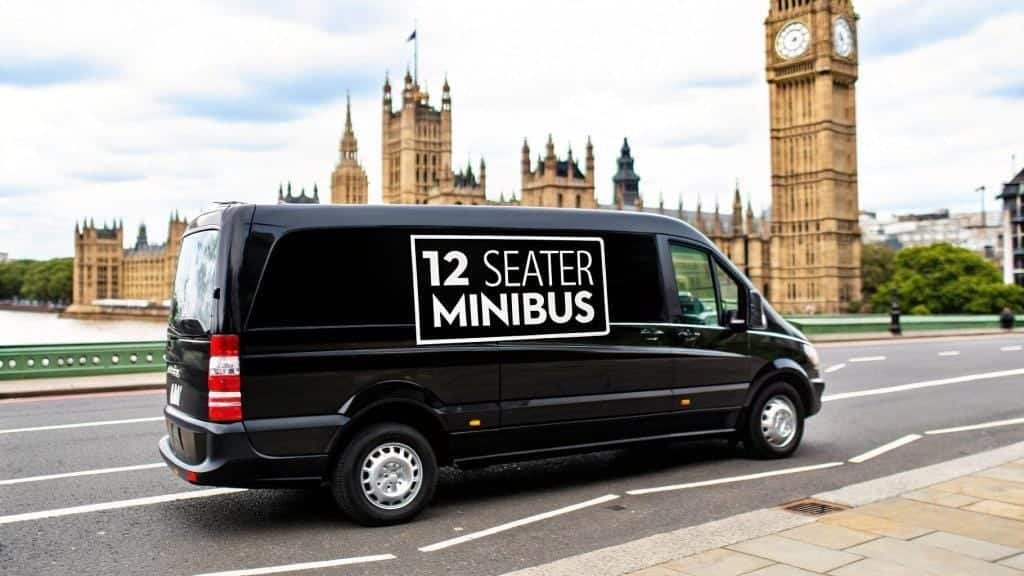
Before we go any further, let’s clear up what we’re actually talking about. A 12 seater van (sometimes called a minibus or people carrier, depending on who’s doing the calling) is essentially a large van that’s been converted to carry passengers instead of cargo. You’ve probably seen them around: they’re bigger than a standard car but more manoeuvrable than a coach, and they’re the go-to choice for youth groups, sports teams, families, and corporate outings.
Most 12 seaters are based on transit van chassis from manufacturers like Ford, Mercedes, or Peugeot. The passenger area usually has four rows of seating behind the driver, with decent headroom and enough space that you’re not sitting on someone’s lap for the entire journey. They’re designed to be practical rather than luxurious, though comfort levels vary considerably between different models and hire companies.
The important bit: these vehicles sit in a slightly awkward category legally. They’re bigger than most people are used to driving but not so big that you automatically need a special licence. More on that shortly, because it matters.
The Licence Question Everyone Asks
Right, let’s tackle this head-on because it confuses everyone. Can you drive a 12 seater van on a regular UK driving licence? The answer is: it depends when you passed your test.
If you passed your driving test before January 1997, your licence includes category D1, which means you can drive vehicles with up to 16 passenger seats. Lucky you. Get behind the wheel and off you go.
If you passed your test after January 1997, your standard car licence (category B) only covers you for vehicles with up to eight passenger seats plus the driver. A 12 seater has, well, 12 passenger seats plus the driver, so technically you’d need to take an additional D1 test to drive it legally.
But here’s where it gets interesting. Some hire companies list their 12 seaters as having fewer seats than they actually possess to get around this issue. Others require proof of D1 entitlement before they’ll hand over the keys. A few will let anyone with a standard licence drive them and hope for the best, which is great until you need to make an insurance claim and discover you weren’t actually covered.
Our advice? Check your actual licence entitlement on the gov.uk website before you book anything. If you don’t have D1, either add a driver to your booking who does, or consider hiring a vehicle that’s legal for your licence category. It’s boring admin stuff, but considerably less boring than the consequences of driving without proper entitlement.
What Does “Affordable” Actually Mean?
Everyone wants affordable van hire, but that word means different things to different people. Let’s talk real numbers and what influences them.
Daily hire rates for 12 seater vans across the UK typically range from £80 to £200 per day, with most reputable companies charging somewhere in the £100-150 range. That’s for standard day hire with reasonable mileage included. Weekend rates might offer better value, and weekly rates definitely do if you need the vehicle for longer.
What pushes the price up? Peak season bookings (summer holidays, Christmas period) cost more. Last-minute hires cost more. Extra mileage packages cost more. Adding additional drivers costs more. Insurance excess reduction costs more. Basically, everything you add to the base package costs more, which is why that attractive headline rate often becomes something quite different by the time you actually book.
What brings the price down? Booking well in advance gets you better rates. Off-peak travel (weekday hires, January through March) is cheaper. Longer rental periods usually work out cheaper per day. Being flexible with pickup times can sometimes snag you a better deal.
Here’s the thing about affordable though: the cheapest option isn’t always the best value. We’ve seen people book the absolute bargain basement hire, only to turn up and find a vehicle that’s seen better days, smells questionable, and breaks down 50 miles into their journey. Sometimes paying an extra £20 a day for a well-maintained vehicle from a reputable company is the smart move.
Hidden Costs to Watch For
This is where hire companies can catch people out, so pay attention. The advertised rate is just the starting point. Here’s what else might appear on your final bill:
Fuel is the obvious one. Most companies hand you a van with a full tank and expect it back the same way. Underfill it and you’ll pay a refuelling charge that makes motorway service station prices look reasonable. Our tip: fill up at a supermarket station close to the return location rather than risking it.
Insurance excess is another sneaky one. The basic insurance included in your hire rate usually comes with an excess of £1,000 or more. If anything happens to the vehicle, you’re liable for that amount. Companies offer excess reduction or waiver products that cost extra but reduce your liability to zero or a few hundred pounds. Whether it’s worth it depends on your risk tolerance and driving confidence.
Mileage limits catch people regularly. Your hire might include 100 or 150 miles per day, which sounds like loads until you actually map out your journey and realise you’re doing 300 miles. Excess mileage charges vary but expect 20-40p per mile over your limit, which adds up fast.
Additional driver charges seem petty but they exist. If you want more than one person able to drive the van, most companies charge £10-20 per additional driver. For a week-long hire with two extra drivers, that’s another £40-80 on your bill.
Late return fees are brutal. Return the van even an hour late and you might face charges of £50 or more. Some companies round up to the next full day. Traffic happens and plans change, so build in buffer time or at least call ahead if you’re running behind.
Finding the Right Company
Not all van hire companies are created equal, and in an unregulated market you need to do your homework. Here’s what separates the good from the dodgy:
Established companies with actual premises and a decent fleet are your safest bet. Anyone can throw up a website and claim to hire vans, but you want a company that’s been around for a while and has vehicles you can actually inspect before hiring.
Reviews matter, but read them properly. One or two bad reviews aren’t necessarily a red flag (some people are never happy), but consistent complaints about vehicle condition, hidden charges, or poor customer service? That’s a pattern worth avoiding.
Insurance and paperwork should be straightforward and transparent. If a company is vague about insurance coverage, reluctant to show you the actual vehicle before booking, or pushy about upsells, trust your instincts and look elsewhere.
Local companies often offer better service than big national chains. They’re more flexible, more invested in their reputation, and more likely to actually help if something goes wrong. That said, national chains have their advantages: standardised vehicles, wider coverage if you break down, and the backing of a larger organisation.
The Practical Side of Driving a 12 Seater
If you’ve never driven a vehicle this size before, it’s worth knowing what you’re getting into. A 12 seater van is significantly bigger than a standard car, and it handles differently.
The length is the main thing. These vehicles are typically 5-6 metres long, which means you need more space for turning, more room for parking, and more awareness of what’s behind you. Reversing takes practice and a good set of mirrors (or parking sensors if you’re lucky).
Height is the other consideration. Most 12 seaters are 2.5-2.8 metres tall, which means you won’t fit under every car park barrier. Height restriction signs are now your mortal enemy. Know the height of your vehicle and pay attention to warning signs. Peeling the roof off on a low bridge is expensive and embarrassing.
Width-wise you’re fine in most situations, though narrow country lanes require more concentration than they do in a hatchback. You’ll need to be more thoughtful about parking, more cautious about tight spaces, and more aware of cyclists and pedestrians who might be closer than you think.
Driving dynamics are different too. These vans sit higher, feel less planted in crosswinds, and take longer to stop than you’re used to. Give yourself more following distance, take corners more carefully, and resist the urge to drive it like a car. Once you adjust your expectations, they’re actually quite manageable.
When a 12 Seater Makes Perfect Sense
Not every group needs a 12 seater, but for certain situations they’re absolutely the right choice. Here’s when it makes sense to hire one:
Sports teams and youth groups are classic users. You’ve got 10-12 people, kit or equipment, and a need to travel together regularly. A 12 seater handles this perfectly and means one adult can transport the whole group rather than coordinating multiple cars.
Extended family trips work well, especially airport runs or days out where you’ve got multiple generations traveling together. Grandparents, parents, kids, luggage—it all fits in one vehicle and you actually arrive at the same time.
Corporate events and team building days benefit from everyone traveling together. The journey becomes part of the event rather than a logistical headache, and you don’t lose half your team to traffic or poor navigation.
Weddings and celebrations often need this size vehicle. You might need to shuttle guests between hotel and venue, or transport the wedding party, or just ensure everyone arrives together and nobody’s designated driving responsibilities.
The key factor: you’ve got 8-12 people who need to travel together, ideally with some luggage or equipment, over a distance where multiple cars would be inconvenient or expensive. If that’s your situation, a 12 seater is probably your answer.
Alternatives Worth Considering
Sometimes a 12 seater seems like the obvious choice but actually isn’t. Here are alternatives that might work better:
If you’ve got fewer than eight passengers, a standard minibus or large people carrier (like a Ford Galaxy or Volkswagen Caravelle) might be sufficient. They’re easier to drive, more people have the right licence, and they’re often cheaper to hire.
If you’ve got more than 12 passengers, you might actually find a 16 seater only costs slightly more and gives you room to spread out or bring extra equipment. The jump from 12 to 16 seats doesn’t usually mean a huge jump in price.
For longer distances or special occasions, hiring a minibus with a driver removes all the stress of driving an unfamiliar vehicle. Yes, it costs more, but you save on fuel, parking hassles, and the mental energy of navigating. Everyone can relax, have a drink, and actually enjoy the journey.
Multiple smaller vehicles might work better if your group isn’t all going to the same place at the same time. Two seven-seaters offer more flexibility than one 14 seater if people have different schedules or destinations.
How to Get the Best Deal
Right, you’ve decided you need a 12 seater van. Here’s how to avoid paying over the odds:
Book early. This isn’t revolutionary advice, but it’s true. Book three or four weeks ahead and you’ll pay less than someone booking three or four days ahead for the same vehicle.
Be flexible with dates if possible. Weekday hires are usually cheaper than weekend hires. Off-season is cheaper than peak season. Even being flexible about pickup time can sometimes get you a better rate.
Compare properly. Don’t just look at the headline day rate. Calculate the total cost including mileage, insurance, additional drivers, and any other extras you actually need. The cheapest base rate often isn’t the cheapest final price.
Ask about discounts. Some companies offer discounts for longer hires, returning customers, or certain groups (students, military, community organisations). You won’t know unless you ask.
Read the terms carefully. Understand what’s included, what’s extra, what the fuel policy is, what happens if you’re late, and what your insurance actually covers. Boring but essential.
Consider the value of customer service. Saving £20 is great until something goes wrong and you can’t get anyone on the phone. Sometimes paying slightly more for a company with decent customer service is worth it.
Common Mistakes to Avoid
We’ve seen people make the same mistakes repeatedly over the years. Learn from their errors:
Underestimating the size of the vehicle is probably the biggest one. People book a 12 seater thinking it’ll handle like a big car.But then panic when they realise it’s actually quite substantial. If you’re nervous about driving larger vehicles, maybe this isn’t the right choice.
Not checking licence requirements before booking wastes everyone’s time. Check first, book second, not the other way around.
Overfilling the van happens constantly. Yes, it seats 12, but only if people are reasonably sized and nobody brings more than a small bag. Factor in real-world space requirements.
Ignoring the mileage allowance is expensive. Work out your actual journey distance before booking and make sure you’ve got adequate mileage included or budget for the excess charges.
Returning it dirty or damaged costs you money. Most hire agreements require you to return the vehicle in the same condition you received it. That doesn’t mean you need to valet it, but removing obvious rubbish and checking for damage before you drive off the lot is smart.
Not inspecting the vehicle at pickup causes problems later. Walk around it, note any existing damage on the paperwork, check it all works (lights, wipers, heating), and take photos. Future you will be grateful.
Insurance and Peace of Mind
Let’s talk insurance properly because it matters and it’s confusing. Your basic hire package includes minimum legal insurance, which covers you driving the vehicle but usually comes with a hefty excess.
The standard excess on van hire is typically £1,000-2,000. If you bump the van, scratch it, or it gets damaged while parked, you’re liable for that amount before insurance kicks in. For some people, that risk is fine. For others, it’s terrifying.
Excess reduction products cost extra but reduce your liability. You might pay £15-30 per day to reduce the excess to £250 or waive it entirely. Whether it’s worth it depends on several factors: your driving confidence, where you’ll be driving (city centres are riskier than motorways), how long you’re hiring for, and your personal risk tolerance.
Third-party excess insurance is sometimes cheaper than buying the hire company’s product. Companies like Insurance4CarHire offer standalone policies that can work out significantly cheaper for longer hires. The catch is you pay any excess upfront then claim it back, rather than just having zero excess in the first place.
Our take? For a weekend hire, the hire company’s excess reduction is usually worthwhile for peace of mind. For longer hires, third-party insurance might save you money. Very short day hires, where you’re confident and experienced, you might skip it entirely. It’s personal choice, not a right or wrong answer.
Making the Most of Your Hire
You’ve got your 12 seater van for the day, weekend, or week. Here’s how to make it work for you:
Plan your route properly. Use a satnav or app that accounts for vehicle height and width restrictions. Google Maps won’t warn you about low bridges or narrow lanes.
Load smartly. Heavier items low and towards the front, nothing blocking the driver’s view, everything secure so it won’t shift during braking. Unsecured loads are dangerous and illegal.
Take breaks on longer journeys. These vans are comfortable enough, but everyone benefits from stretching their legs every couple of hours. Plan your stops rather than pulling into random service stations.
Assign a navigator if possible. Driving a larger vehicle in unfamiliar areas is easier with someone handling directions and watching for height restrictions or tight spots.
Keep the vehicle clean and tidy. You don’t need to be obsessive about it, but not treating it like a mobile bin means you’ll get your deposit back without arguments.
The Environmental Angle
We’d be remiss not to mention this: one 12 seater van carrying 12 people is significantly more environmentally friendly than six cars making the same journey. If you care about your carbon footprint (and plenty of our customers do), shared transport is a genuinely positive choice.
Modern vans are more fuel-efficient than older models, so asking about vehicle age when you book makes sense. Some companies are starting to introduce hybrid or electric options for smaller people carriers, though 12 seater electric vans are still relatively rare.
The environmental case for shared transport is solid: fewer vehicles on the road, lower per-person emissions, reduced congestion. It’s not going to save the planet by itself, but it’s a better choice than the alternatives.
When Things Go Wrong
Despite best intentions, sometimes problems occur. Here’s how to handle common issues:
If the van breaks down, call the hire company immediately. Most include breakdown cover, but you need to follow their procedures. Don’t attempt repairs yourself and don’t arrange recovery without authorising it first, or you might invalidate the agreement.
If you have an accident, follow standard procedures: exchange details with other parties, call the police if anyone’s injured or there’s a dispute, take photos, don’t admit liability, and inform the hire company as soon as safely possible.
If there’s damage you didn’t cause (someone scratches it while parked, a stone chips the windscreen), document it thoroughly and report it promptly. The faster you report these things, the easier they are to resolve.
If the van isn’t as described or has problems when you collect it, don’t just accept it. Point out the issues, get them acknowledged in writing, and if they’re serious enough, consider refusing the vehicle and asking for a replacement.
Final Thoughts on Value
Affordable doesn’t mean cheap. It means good value for money: fair pricing for a decent vehicle from a company that actually delivers what they promise.
A 12 seater van hire should cost somewhere between £100-150 per day on average across the UK, less if you’re booking for longer periods, potentially more at peak times or for premium vehicles. If someone’s offering significantly less than this, ask yourself why. If someone’s charging significantly more, ask them why.
The sweet spot is usually a local or regional company with a decent fleet, transparent pricing, and good reviews. They won’t be the absolute cheapest, but they’ll deliver a vehicle that works, treat you fairly, and actually help if something goes wrong.
For groups of 8-12 people traveling together, a 12 seater van is genuinely the most practical and cost-effective solution. Split the hire cost between everyone and it’s cheaper than alternatives while being considerably more convenient.
Getting Started
If you’re looking for 12 seater van hire in London or the surrounding areas, we’ve got you covered at West London Minibus Hire. We understand what actually matters to customers: fair pricing, well-maintained vehicles, straightforward terms, and decent customer service when you need it.
We’re not going to pretend we’re always the cheapest option out there, but we’re honest about our pricing, clear about what’s included, and we actually answer the phone when you call. Sometimes that’s worth more than saving a tenner.
Whether you need a van for a day, a weekend, or longer, get in touch and let’s have a conversation about what you actually need rather than what we think you should buy. No pressure, no hard sell, just straightforward advice from people who’ve been doing this long enough to know what works.
